book Tiny Home Builder for your project
What to Consider When Choosing a Home Builder: A Step-by-Step Guide
Identifying the ideal home builder is a crucial decision. It necessitates thoughtful analysis of several factors, including expertise, reliability, and communication style. A comprehensive analysis can reveal essential findings that impact the complete construction process. Grasping these aspects supports a successful working relationship. However, understanding where to begin can be daunting. What key criteria should one consider in this important choice?
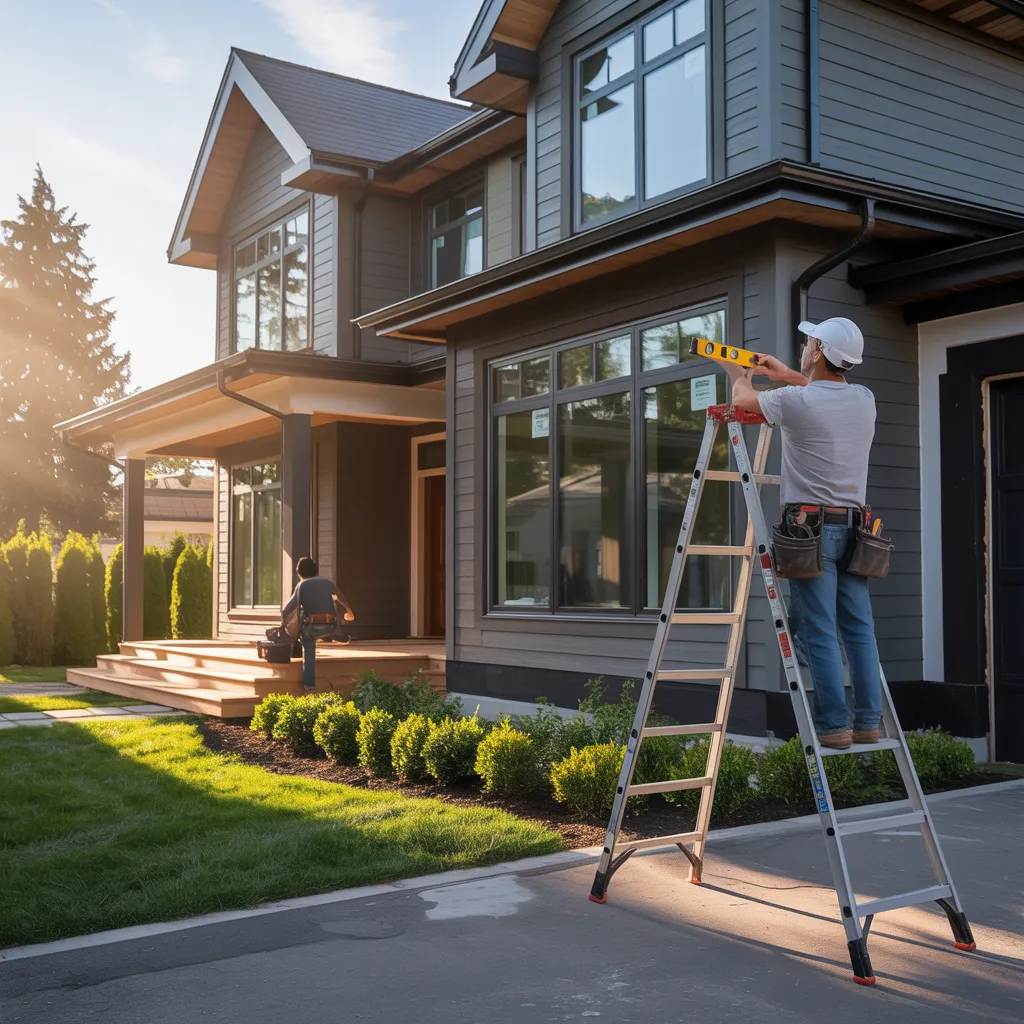
Assessing Builder Experience and Portfolio
When picking a home builder, a strong portfolio and proven experience serve as critical indicators of competence. Contractors with a wealth of experience often show a more thorough understanding of local regulations, design trends, and construction processes. This foundation can considerably affect the overall quality and effectiveness of the project.
A well-curated portfolio demonstrates a contractor's breadth of experience, presenting diverse styles and project scales. Prospective homeowners should review past constructions to gauge the builder's quality of work, precision, and ability to meet client specifications.
Moreover, the collection of past projects can showcase the contractor's versatility to different client needs and environments. Engaging with construction professionals who have a history of successful projects can reinforce faith in their capability to fulfill commitments. In the end, evaluating experience and portfolio enables homeowners to make informed decisions, ensuring their expenditure matches their desired outcomes and personal expectations.
How to Verify Reviews and Reputation?
In what ways can potential homeowners accurately gauge a builder's credibility? Among the most dependable approaches is reviewing feedback on platforms like Google, Yelp, and dedicated construction websites. These reviews often provide insights into previous clients' experiences, highlighting strengths and weaknesses. Additionally, checking social media can reveal real-time feedback and community interactions.
Homeowners are advised to gather referrals from friends, family, or nearby real estate professionals, as personal referrals often carry significant explore this topic weight. Moreover, researching the builder's record with local business bureaus can bring to light any grievances or unaddressed matters.
For a comprehensive perspective, it is beneficial to reach out to former clients personally, asking targeted questions about their overall satisfaction and workmanship quality. By merging these strategies, future homeowners can gain a balanced perspective of a construction company's reputation, resulting in a better-informed choice.
Communicating Effectively With Your Builder
Building open dialogue with a builder is crucial for a successful home development project. Effective communication establishes that homeowners and builders alike have clarity on requirements, deadlines, and potential challenges. It commences with an introductory consultation where residents can express their ideas, budget constraints, and any particular needs. Frequent check-ins, whether through email exchanges, phone calls, or on-site consultations, help maintain transparency.
Homeowners ought to promote a transparent conversation, giving the builder the opportunity to share feedback and progress updates. This collaborative communication strengthens trust and facilitates smoother problem-solving. It is also essential for homeowners to document conversations and decisions to avoid misunderstandings later.
Setting clear milestones and deadlines can significantly strengthen communication, guaranteeing that the project stays on track. At the end of the day, effective communication not only minimizes anxiety but also promotes a smoother construction process, leading to a home that satisfies what the homeowner had in mind.
How Your Home Builder Determines Material Choices
Clear communication lays the groundwork for grasping how builders determine materials for a construction endeavor. Contractors generally evaluate multiple factors, encompassing the project's design, applicable building codes, and the homeowner's requirements. These professionals frequently emphasize quality and longevity, opting for materials that meet or exceed industry standards.
Eco-consciousness is another vital factor, with many builders incorporating eco-friendly options to cater to eco-aware clientele. Builders frequently partner with material providers to secure the supply of chosen materials, while adhering to project schedules and financial constraints.
Moreover, construction professionals analyze material expenses and performance attributes, measuring the benefits of several alternatives against associated risks. This thorough assessment process ensures that the chosen materials matches the homeowner's expectations while delivering both structural soundness and visual appeal. Fundamentally, the material selection showcases both the builder's proficiency and the shared feedback from the homeowner.
Understanding Fair Pricing Structures
Grasping reasonable pricing models is essential for potential homeowners. A clear financial breakdown enables clients to see exactly where their money is going, while reviewing cost estimates helps ensure they are getting competitive offers. This clarity can significantly impact the choosing process when choosing a construction professional.
Clear Pricing Breakdown
What steps can potential homeowners take to ensure they receive fair pricing when working with a builder? An open and thorough cost breakdown is vital for grasping fair pricing models. Construction professionals should supply thorough estimates that detail every cost involved, encompassing materials, labor, permits, and potential unexpected charges. This clarity not only fosters trust but also enables homeowners to assess where funds are allocated. Potential homeowners should ask about the pricing approach employed, confirming it meets industry benchmarks. A trustworthy contractor will readily explain their pricing approach, clarifying any differences in expenses. This openness allows homeowners to make informed decisions and minimizes the risk of hidden fees or last-minute charges, ensuring a smoother building experience.
Evaluating Quote Estimates
When evaluating potential builders, reviewing price estimates proves to be a critical step in ensuring fair pricing structures. Future homeowners should collect several estimates to gain insight into market rates and identify discrepancies. Each estimate should feature an itemized list of expenses, including materials, labor, and extra costs. This transparency helps in determining whether an estimate is reasonable or excessive. Homebuyers should additionally ask about the reasoning behind each bid, as various contractors may apply different benchmarks for workmanship and supplies. It is essential to consider not only the full expense but also the caliber of supplies and workmanship delivered. By meticulously analyzing these bids, homebuyers can reach educated conclusions and select a builder that aligns with their budget and expectations.
Essential Questions to Ask Before Signing
Before signing a contract with a residential builder, it is crucial to question them about their expertise and experience. Moreover, checking their credentials and insurance can offer reassurance relating to their credibility and your protection. Finally, reviewing the warranty and aftercare options presented can contribute to ensuring long-term satisfaction with the investment.
Skills and Experience
Choosing a home builder necessitates close examination of their expertise and experience, as these factors significantly impact the standard of the final product. Potential homebuyers should ask about the builder's years in the industry and the styles of residences they specialize in. Seeking references or examples of completed projects can provide insight into their quality of work and client satisfaction. It is also beneficial to familiarize yourself with the builder's approach to project management and problem-solving, as these skills can influence budgets and timelines. Additionally, exploring any industry awards or distinctions achieved can reveal their credibility among peers. Ultimately, a builder's knowledge and skills should align with the homeowner's vision and expectations for their new home.
Insurance and Licensing
A complete understanding of licensing requirements and insurance is crucial for homeowners choosing a builder. Homeowners should first verify that the builder holds a valid license, as this demonstrates adherence to regional standards and regulations. It is prudent to obtain documentation of the license, ensuring it is up to date and suitable for the type of construction planned.
Insurance coverage is equally vital. Homeowners should inquire about general liability insurance, offering protection against potential damages, and workers' compensation insurance, which guards against workplace injuries. A trustworthy builder should readily supply documentation of both. This careful approach not only safeguards the homeowner's investment but also builds confidence in the builder's professionalism and dedication to quality.
Guarantee and After-Sales Support
Understanding warranties and post-construction services is a essential next step after establishing a contractor's credentials and coverage. Future homeowners should inquire about the particulars of the warranty, including its duration and what it includes. Essential inquiries involve: What is the process for filing a claim? Are there any limitations or exclusions? Furthermore, it's important to be aware of the post-construction services offered. Residents should inquire how the builder addresses post-construction issues, such as structural repairs and upkeep. They should also investigate the responsiveness of the support team and turnaround times for maintenance requests. A construction company's dedication to aftercare and warranty provisions can significantly influence the long-term satisfaction with the residence, making these inquiries indispensable before finalizing any agreements.
Popular Questions We Receive
What Kind of Warranties Do Home Builders Commonly Provide Following Project Completion?
Residential builders commonly include warranties that cover structural defects for ten years, systems and appliances for one to two years, and workmanship for a single year, guaranteeing safeguards against possible concerns once the project is finished.
How Do Builders Address Unexpected Project Delays or Challenges?
Contractors typically handle unexpected project delays by being straightforward with customers, assessing the cause, and offering adjusted project timelines. They may put contingency measures in place and negotiate solutions to reduce disruption, guaranteeing the continuation of work and stakeholder confidence.
Am I Able to Customize My Home Design With Any Builder?
Not every builder permits the customization of residential designs. Certain builders present fixed layout options, while some give homeowners more versatile choices. Prospective homeowners should inquire about available customization opportunities to ensure their ideas match the builder's offerings.
What Financing Options Do Home Builders Offer for New Homes?
New home developers generally present a variety of payment alternatives, including in-house financing, arrangements with financial partners, and customizable payment arrangements. These options aim to suit a range of financial situations, rendering home ownership more attainable for interested purchasers looking for newly built properties.
How Do Contractors Achieve Energy Efficiency in Newly Built Homes?
Contractors ensure energy performance in modern homes by incorporating superior insulation materials, energy-saving windows, and climate control systems. They also utilize green building methods and technologies, aiming to reduce energy consumption and enhance overall environmental performance.